

Hallux Valgus (Bunions)
A bunion is a progressive deformity where the big toe drifts toward the lesser toes and the joint becomes prominent and painful. Treatment ranges from footwear and orthoses to corrective surgery when symptoms persist.
With over 20 years of specialised experience in foot and ankle surgery, I'm dedicated to providing exceptional care that puts your comfort first.
Based in the county of Kent, where I currently hold a Consultant post, I work closely alongside leading Musculoskeletal Specialists, Radiologists, Rheumatologists, Pain Specialists, Physiotherapists, Nurses and Orthopaedic colleagues to deliver exceptional care.
I believe that every patient deserves personalised attention and a treatment plan tailored to their unique needs. My approach combines conservative care along with cutting-edge surgical techniques with a compassionate, patient-centered philosophy.
After completing my fellowship in Podiatric Surgery with the Royal College of Podiatry, I've helped thousands of patients return to pain-free mobility. Whether you're dealing with a sports injury, chronic condition, or need reconstructive surgery, I'm here to guide you with evidence base treatments through every step of your recovery.
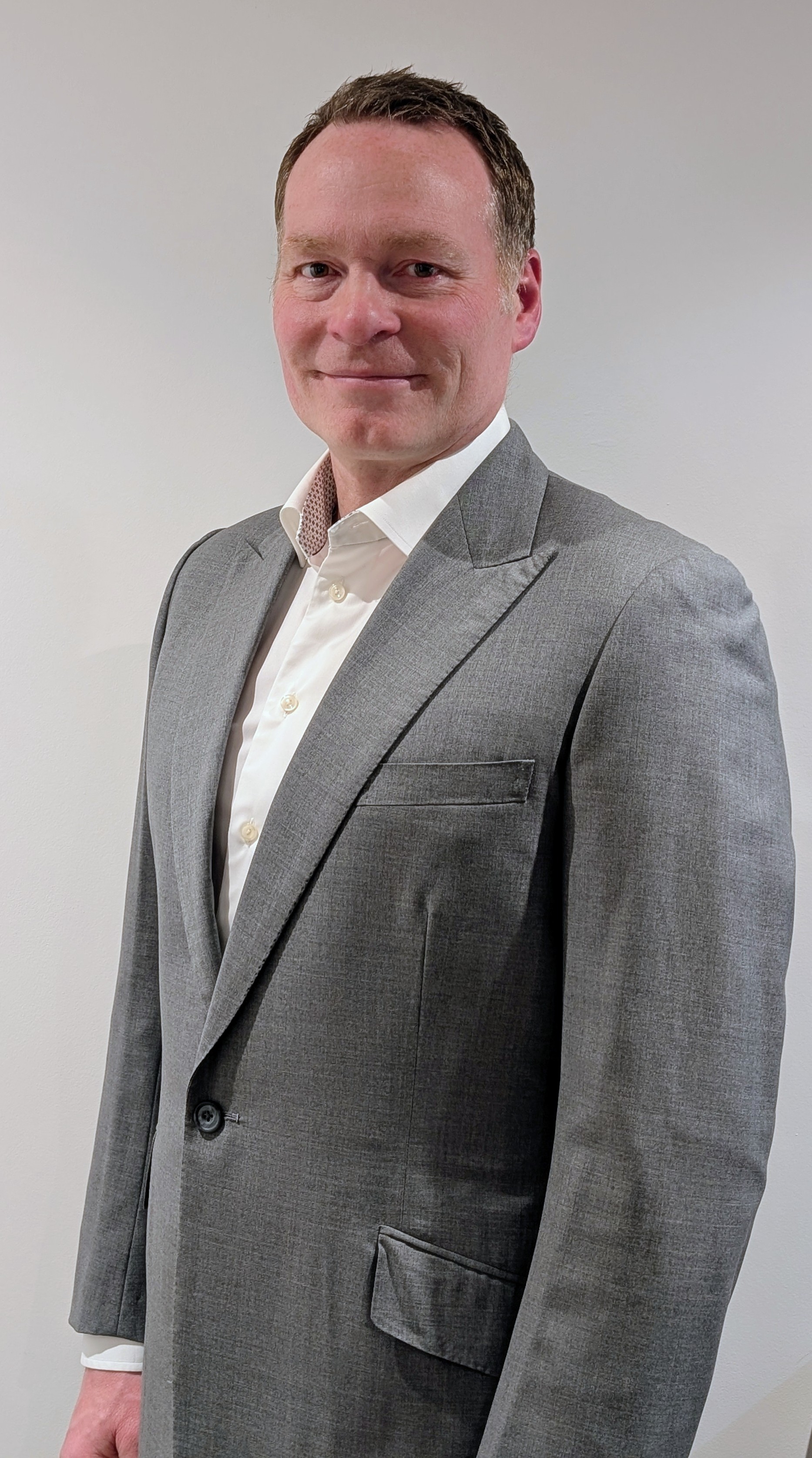
To provide specialist foot and the associated structures care with expert advice and a full range of conservative and surgical treatment options.

Every consultation is built around careful listening, clear explanation, and a treatment plan that reflects your symptoms, goals, and day-to-day demands.
Whether the right next step is conservative management, further investigation, or surgery, the aim is always to provide clear guidance and a safe, evidence-led route back to comfortable mobility.
Podiatric surgeons complete a degree in Podiatry or Podiatric Medicine, typically a BSc (Hons). After this, a podiatrist may specialise in several areas including routine care, the high-risk and vulnerable foot, musculoskeletal medicine and biomechanics, and surgery.
A smaller percentage of podiatrists undertake further university study through an MSc in the Theory of Podiatric Surgery, alongside rigorous surgical training, to obtain Fellowship of the Royal College of Podiatry via the Faculty of Podiatric Surgery: FRCPod(S).
Podiatric surgeons should not be confused with orthopaedic surgeons. Podiatric surgeons are registered with the Health and Care Professions Council (HCPC).
A bunion is a progressive deformity where the big toe drifts toward the lesser toes and the joint becomes prominent and painful. Treatment ranges from footwear and orthoses to corrective surgery when symptoms persist.
This is stiffness and pain in the big toe joint caused by cartilage wear and joint degeneration. Management includes activity modification, insoles, injections, and surgery depending on severity.
These deformities occur when toe joints become imbalanced and fixed in bent positions, causing rubbing, corns, and pain. Treatment may involve footwear changes, splintage, or surgical correction.
A bunionette is a painful prominence at the base of the little toe, often made worse by narrow shoes. Conservative management can help, but persistent cases may need realignment surgery.
Most commonly affecting the forefoot, a neuroma causes burning pain, tingling, or numbness between the toes. Offloading, footwear changes, injections, and surgery are considered based on response.
Metatarsalgia describes pain under the ball of the foot, often linked to load imbalance, activity, or toe deformity. Treatment focuses on pressure redistribution, footwear advice, and correcting contributing pathology.
An ingrowing nail develops when the nail edge pierces the skin, causing pain, inflammation, and possible infection. Management ranges from conservative care to minor nail surgery for recurrent cases.
Heel pain is commonly caused by plantar fasciitis, bursitis, stress injury, or nerve irritation. Accurate diagnosis is essential to guide rehabilitation, shock-absorbing support, and targeted treatment.
Tendon pain in the foot and ankle may involve overuse, degeneration, or partial tearing, such as Achilles or tibialis tendon problems. Care may include load management, physiotherapy, orthoses, and surgery when indicated.
Soft tissue lesions can cause pain, pressure symptoms, or cosmetic concern. Treatment is tailored to diagnosis and may include conservative care, minor procedures, or excision.
Flat foot can be flexible or rigid and may lead to arch collapse, fatigue, and tendon strain. Management may include supportive footwear, exercises, orthoses, and reconstructive surgery in selected cases.
Podiatric Surgery Annotation
CH15188
Professional Registration Number
20563
Neale's Disorders of the Foot and Ankle (Ninth Edition), 2020, pages 448-466.
Chapter 18 - Minor Surgery of The Foot